Everyday Tools & Routines
Nov 25, 2025
Why Sensory Play Matters
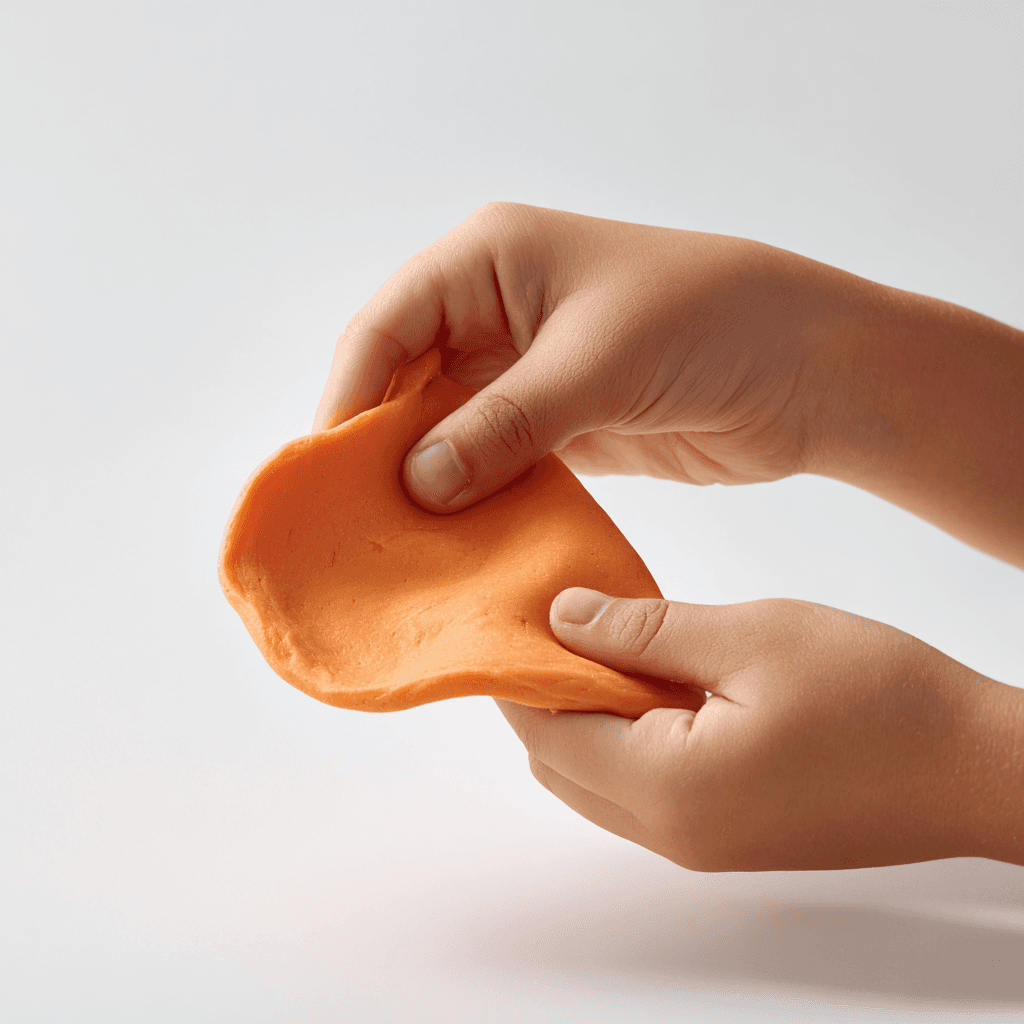
Sensory play engages touch, movement, smell, and sound to help children learn how their bodies interact with the world. Activities like pouring rice, playing with playdough, jumping on cushions, or exploring water help children regulate emotions, build resilience, and become more comfortable with new sensations.
How Sensory Play Supports Everyday Routines
For children who struggle with transitions, feeding, dressing, or brushing teeth, sensory experiences can help calm their system and improve their ability to participate. A short “sensory warm-up”—such as heavy work, deep pressure, or movement play—can prepare the brain for focus and cooperation during daily tasks.
Building Confidence Through Sensory Exploration
As children become more familiar with different textures and sensations, their tolerance and confidence grow. This reduces stress around routines and increases independence. Occupational therapists often design personalized sensory activities that families can incorporate into home life with minimal effort.